
 Ways to Give
 Careers
 MyChart Login
 MyChart Login
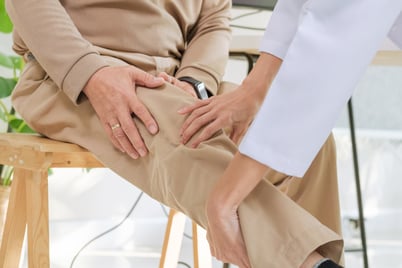 Injuries can happen during everyday activities, sports, exercise, work, or unexpected accidents. While some injuries improve with rest and time, others may require medical evaluation to prevent ongoing pain, mobility limitations, or long-term complications.
Many people are unsure when an injury should be evaluated by an orthopedic specialist. Waiting too long to seek care can sometimes allow conditions to worsen, especially when joints, bones, muscles, tendons, or ligaments are involved.
Understanding the signs that may indicate the need for orthopedic care can help patients know when it may be time to seek further evaluation after an injury.
What Types of Injuries Do Orthopedic Specialists Treat?
Orthopedic care focuses on diagnosing and treating injuries and conditions affecting the musculoskeletal system.
This includes injuries involving:
- Bones
- Joints
- Muscles
- Ligaments
- Tendons
- Cartilage
Orthopedic specialists commonly evaluate injuries resulting from sports, falls, workplace accidents, overuse, and other physical activities that affect movement and mobility.
At Lane Regional Medical Center, orthopedic providers treat a wide range of conditions, including fractures, tendonitis, torn ligaments and cartilage, arthritis, shoulder injuries, knee injuries, hip conditions, foot and ankle injuries, hand and wrist conditions, and spine-related concerns.

When Should Pain After an Injury Be Evaluated?
Pain is one of the most common signs that an injury may require medical attention.
While mild soreness often improves within a few days, persistent or worsening pain may indicate a more significant injury involving a joint, ligament, tendon, or bone.
Pain should generally be evaluated if it:
- Does not improve with rest
- Becomes more severe over time
- Limits daily activities
- Interferes with walking or movement
- Continues several days after the injury
Ongoing pain may suggest injuries such as sprains, fractures, tendon injuries, cartilage damage, or joint instability, all of which require further evaluation.
Can Swelling or Bruising Be Signs of a More Serious Injury?
Swelling and bruising are common after injuries, but excessive swelling or rapidly developing bruising can sometimes indicate more significant tissue damage.
Swelling that limits movement or continues worsening after the injury may suggest inflammation involving joints, ligaments, or fractures. Bruising accompanied by severe pain or instability may also warrant medical evaluation.
In some cases, injuries that initially appear minor may involve underlying structural damage that requires diagnostic imaging or orthopedic treatment.
When Is Weakness After an Injury a Bad Sign?
Difficulty moving part of the body after an injury is another common sign that orthopedic evaluation may be helpful.
Patients should consider seeking care if they experience:
- Difficulty bearing weight
- Reduced range of motion
- Joint instability
- Weakness
- Locking or catching sensations in a joint
- Difficulty lifting or gripping objects
These symptoms may indicate ligament injuries, tendon damage, cartilage injuries, fractures, or other orthopedic conditions that may require treatment or rehabilitation.
Why Is Early Orthopedic Evaluation Important?
Prompt orthopedic evaluation may help patients receive a more accurate diagnosis and begin treatment earlier when necessary.
Delaying care after an injury can sometimes lead to:
- Prolonged pain
- Reduced mobility
- Joint instability
- Increased inflammation
- Longer recovery periods
At Lane Regional Medical Center, orthopedic specialists use advanced imaging technologies, including MRI, X-ray, and CT, to accurately diagnose injuries to bones, joints, muscles, and soft tissues.
Depending on the injury, treatment may include rehabilitation therapies, pain management strategies, minimally invasive procedures, physical therapy, or surgical care when necessary.
How Does Lane Regional Medical Center Support Orthopedic Recovery?
Orthopedic care often involves more than simply treating the initial injury. Recovery and rehabilitation also play an important role in helping patients regain strength, mobility, and function.
Lane Regional Medical Center provides comprehensive orthopedic care for patients experiencing musculoskeletal injuries and joint-related conditions. With advanced imaging technology, experienced orthopedic specialists, rehabilitation support, and comprehensive treatment services, Lane helps patients address injuries affecting movement, strength, and overall mobility.
From diagnostic imaging and treatment planning to rehabilitation and therapy services, care is focused on helping patients safely return to daily activities as efficiently as possible. Patients recovering from orthopedic procedures may also benefit from rehabilitation support at Lane Rehabilitation Center, where therapy and recovery services help them continue to progress after treatment or surgery.
If you are experiencing persistent pain, swelling, weakness, or mobility issues after an injury, seeking medical evaluation may help identify the cause and support a safer recovery process.
Written by
This blog was written by Dr. Adam Whatley, an orthopedic surgeon with Lane Regional Medical Center. Dr. Whatley is board certified in Orthopedic Surgery and completed a sports medicine fellowship at Harvard University’s Brigham and Women’s Hospital. He provides orthopedic care for a wide range of musculoskeletal injuries and conditions, helping patients recover mobility, improve function, and return to daily activities safely and effectively.

.png?width=850&height=850&name=lane%20badge%20(1).png)

-1.png?width=711&height=711&name=healthy%20br%20(4)-1.png)