
 Ways to Give
 Careers
 MyChart Login
 MyChart Login
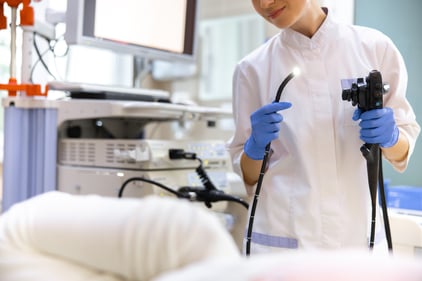 Endoscopy is one of the most common and effective tools for diagnosing conditions of the digestive system. For patients experiencing symptoms such as heartburn, abdominal pain, difficulty swallowing, or changes in bowel habits, an endoscopy can provide clear answers and help guide appropriate treatment. At Lane Regional Medical Center, endoscopic procedures are performed using advanced imaging technology in a setting designed for patient comfort and safety.
What Endoscopy Helps Diagnose
Endoscopy allows gastroenterologists to closely examine the esophagus, stomach, small intestine, and colon using a thin, flexible scope with a light and camera. The procedure is often used to help diagnose:
- Acid reflux and GERD
- Peptic ulcers
- Gastritis or colitis
- Diverticulosis
- Sources of gastrointestinal bleeding
- Polyps or precancerous growths
These procedures can also help identify structural changes, such as hiatal hernias, as well as many other digestive conditions.
For many patients, endoscopy helps explain symptoms that may not show up on routine imaging tests. It also supports early detection of conditions that are easier to treat when found promptly. Lane offers several types of procedures, including upper endoscopy, lower endoscopy, colonoscopy, and capsule endoscopy.

What to Expect Before, During, and After an Endoscopy
Patients are given detailed preparation instructions beforehand, including guidance on fasting, medication adjustments, and transportation needs. When they arrive for their appointment, a gastroenterologist reviews symptoms, medical history, and the plan for evaluation. Sedation is used for most procedures to keep patients comfortable throughout the exam.
During the procedure, a flexible, lighted scope is gently guided through the digestive tract while high-definition imaging provides a detailed view of the tissues. Biopsies or polyp removal may be performed when appropriate.
Once the exam is complete, patients recover in a monitored area until sedation begins to wear off. Most people are able to resume normal activities the following day. A gastroenterologist reviews the results, explains any findings, and discusses whether follow-up is needed, including biopsy updates if samples were taken.
The Benefits of Advanced Endoscopy Technology
Lane Endoscopy Center features four dedicated procedure rooms equipped with high-definition imaging systems that enhance clarity and detail during evaluation. This advanced technology enables earlier detection of abnormalities and more accurate diagnoses across a wide range of digestive conditions. The center also includes 12 private patient care areas, a dedicated family waiting room, and a minor procedure room designed to support comfort and efficiency throughout the visit.
By combining modern imaging with a patient-centered approach, Lane Regional Medical Center provides thorough evaluations and reliable digestive health care from preparation through recovery. Together, these resources allow Lane to provide dependable, thorough evaluations for a wide range of digestive concerns.

.png?width=850&height=850&name=lane%20badge%20(1).png)


-1.png?width=711&height=711&name=healthy%20br%20(4)-1.png)