
 Ways to Give
 Careers
 MyChart Login
 MyChart Login
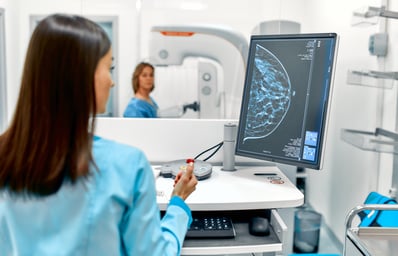 Mammograms are an important tool for evaluating breast health, but not every mammogram is performed for the same reason. A screening mammogram is used as a routine breast cancer screening test, while a diagnostic mammogram is used to take a closer look at a specific breast concern or an area identified during screening.
Understanding the difference can help you know what to expect if your healthcare provider recommends breast imaging. At Lane Regional Medical Center, women in the Zachary area have access to imaging and diagnostic services for a range of healthcare needs.
What Is a Screening Mammogram?
A screening mammogram is a routine breast imaging exam used to look for signs of breast cancer in people who do not have breast symptoms. The goal is to identify changes in breast tissue that may not be noticeable through symptoms or a physical exam.
During the exam, images of each breast are taken so a radiologist can look for changes or areas that may require further evaluation.
When screening should begin and how often it should be performed can depend on factors such as age, medical history, family history, and individual breast cancer risk. Women should talk with their healthcare provider about a screening schedule that is appropriate for them.
Lane Regional offers imaging services that support preventive care and the evaluation of medical concerns.
What Is a Diagnostic Mammogram?
A diagnostic mammogram is a more detailed breast imaging exam used to evaluate a specific symptom, concern, or finding from a screening mammogram. It allows the radiologist to focus more closely on a particular area of the breast.
A diagnostic mammogram may include additional images taken from different angles or focused views of areas that need further evaluation.
Unlike routine screening, diagnostic mammography is performed because there is a specific reason to examine the breast more closely. This does not mean that breast cancer is present.

What Is the Difference Between a Screening and Diagnostic Mammogram?
The main difference between a screening and diagnostic mammogram is why the exam is performed. A screening mammogram is routine breast cancer screening for someone without breast symptoms, while a diagnostic mammogram evaluates a specific symptom or an area that needs a closer look.
The exams use the same type of breast imaging technology, but the process may differ. Screening mammography generally follows a standard set of breast images. Diagnostic mammography may include additional or specialized views based on the area being evaluated.
The type of mammogram you need can also depend on whether you have symptoms. Someone without breast concerns may have a screening mammogram as part of routine preventive care. A patient with a new breast lump or another symptom may need diagnostic imaging instead.
Women can discuss breast health and appropriate screening with a primary care provider or during OB-GYN care.
Common Questions About Diagnostic Mammograms
If you are asked to have a diagnostic mammogram, you may have questions about why it was recommended and whether additional testing will be needed. A diagnostic mammogram does not mean you have breast cancer or that you will automatically need a biopsy. It gives the radiologist more information about a specific breast finding or symptom.
Why Would You Need a Diagnostic Mammogram?
A diagnostic mammogram may be recommended when an area on a screening mammogram needs a closer look or when you have a breast symptom that requires evaluation.
Reasons may include a new breast lump or thickening, nipple discharge, nipple changes, changes in the breast skin, or a noticeable change in breast size or shape.
The reason for the exam helps the healthcare team determine what additional breast imaging or testing may be appropriate.
Does a Diagnostic Mammogram Mean You Have Breast Cancer?
A diagnostic mammogram does not mean you have breast cancer. It means more information is needed to evaluate a particular finding or symptom.
Diagnostic imaging may provide enough information to determine that no additional testing is needed. If the radiologist still needs more information, another imaging test or procedure may be recommended.
Why Would You Need a Breast Ultrasound After a Mammogram?
A breast ultrasound may be recommended after a mammogram when the radiologist needs more information about a specific area of breast tissue. Not everyone who has a diagnostic mammogram will need an ultrasound.
Mammography uses low-dose X-rays to create images of breast tissue, while ultrasound uses sound waves. Because tests produce images differently, an ultrasound can provide additional information about an area identified on a mammogram.
Depending on the results, no further testing may be necessary, or the healthcare provider may recommend additional diagnostic testing.
Does a Diagnostic Mammogram Mean You Need a Biopsy?
Having a diagnostic mammogram does not automatically mean you will need a biopsy. A biopsy may be recommended if an area still needs further evaluation after breast imaging.
During a biopsy, a small tissue sample is collected and examined to determine whether abnormal or cancerous cells are present. Many patients will not need this step after diagnostic imaging.
If breast cancer is diagnosed, patients may be referred for appropriate cancer care based on their individual diagnosis and treatment needs.
What Happens If You’re Called Back After a Screening Mammogram?
If you are called back after a screening mammogram, it means the radiologist needs more information about something seen on the initial images. A callback does not mean you have breast cancer.
You may be asked to return for a diagnostic mammogram, so additional views of the area can be taken. Depending on the finding, breast ultrasound or another test may also be recommended.
Previous mammograms can be especially useful during this process, as the radiologist can compare older and newer images to determine whether an area has changed over time.
If your previous mammograms were performed at another facility, ask whether those images should be made available for comparison.
Should You Get a Screening Mammogram If You Have a Breast Lump?
A new breast lump should be evaluated by a healthcare provider rather than treated as a routine screening visit. Depending on your symptoms, diagnostic mammography or another type of breast imaging may be recommended.
Tell your healthcare provider or imaging team about any new breast symptoms when scheduling an appointment. This can help determine which type of exam is appropriate for your concern.
Breast symptoms that should be discussed with a provider include a new lump or thickening, nipple discharge, nipple changes, or changes in the skin, size, or shape of the breast.
Where Can You Get Mammography in Zachary?
Women in the Zachary area can access breast imaging and diagnostic services through Lane Regional Medical Center. Whether you need routine breast screening or additional imaging to evaluate a concern, your healthcare team can help determine the appropriate next step.
If you have questions about which type of mammogram may be appropriate for you, your healthcare provider can help you understand your options and next steps.
Written by
This blog was written by Samantha Bland, M.D., a physician at Lane Regional Medical Center. Dr. Bland provides care for women and helps patients address breast health concerns, preventive screenings, and appropriate follow-up care based on their individual health needs.

.png?width=850&height=850&name=lane%20badge%20(1).png)


-1.png?width=711&height=711&name=healthy%20br%20(4)-1.png)