
 Ways to Give
 Careers
 MyChart Login
 MyChart Login
 Most of us dismiss occasional heartburn as the price of a spicy meal. But when does "normal" indigestion become a reason for concern?
Esophageal cancer is a condition that affects the esophagus, the tube that carries food and liquids from the throat to the stomach. While less common than other cancers, esophageal cancer is often diagnosed in later stages, making early awareness of symptoms vital.
In many cases, esophageal cancer is diagnosed in older adults, particularly those over the age of 55. Because of this, age can be an important factor in assessing overall risk and deciding when to discuss symptoms with a healthcare provider.
What Is Esophageal Cancer?
Esophageal cancer develops when abnormal cells grow in the lining of the esophagus and gradually form a tumor. Over time, this can interfere with normal swallowing and digestion.
Although it represents only a small percentage of cancers overall in the United States, it remains one of the more significant cancers affecting the gastrointestinal system.
Because early stages often do not produce obvious symptoms, many cases are not identified until the condition has progressed. This is why awareness of changes in digestive health is important.

What Are The Symptoms And Risk Factors Of Esophageal Cancer?
Symptoms of esophageal cancer can be similar to more common digestive conditions, which may make them easy to overlook early on.
Possible symptoms include:
- Difficulty swallowing or a sensation of food sticking
- Pain or discomfort when swallowing
- Persistent heartburn or indigestion
- Chest discomfort or pressure
- Unexplained weight loss
- Chronic cough or hoarseness
- Vomiting or regurgitation
While these symptoms are often related to non-cancerous conditions, persistent or worsening symptoms should still be evaluated by a healthcare provider. Several factors may increase risk for esophageal cancer, which is more commonly seen in men and Caucasian individuals, with risk increasing significantly after age 55.
Lifestyle factors such as smoking, alcohol use, obesity, and diets high in processed meats may also contribute to increased risk. Certain medical conditions, including GERD (gastroesophageal reflux disease), Barrett’s Esophagus, achalasia, and prior esophageal injury, are also associated with a higher likelihood of developing esophageal cancer.
When Is Esophageal Cancer Screening Recommended?
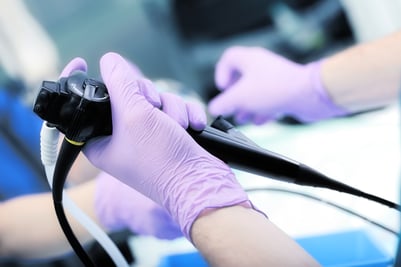
Screening for esophageal cancer is not recommended for the general population. However, it may be considered for individuals who have GERD along with additional risk factors. When screening is appropriate, it is typically performed through an upper endoscopy, which allows a healthcare provider to directly examine the esophagus and evaluate the tissue lining for any changes.
While esophageal cancer accounts for about 1% of all cancers in the United States, early detection remains important because outcomes often depend on how early the condition is identified. The overall five-year survival rate is approximately 21.9%, underscoring the importance of timely evaluation when symptoms or risk factors are present.
When Should You See A Doctor For Digestive Symptoms?
It is important to speak with a healthcare provider if you experience ongoing digestive symptoms such as difficulty swallowing, persistent reflux, chest discomfort, or unexplained changes in appetite or weight.
Even though these symptoms are often related to more common digestive conditions, evaluation can help determine whether further testing is needed based on your individual health history and risk factors.
Primary care providers can assess symptoms and guide next steps in care.
Esophageal Cancer Evaluation And Care At Lane Regional Medical Center
Lane Regional Medical Center provides evaluation and care for patients experiencing ongoing digestive symptoms or concerns related to esophageal health. If you are dealing with persistent reflux, difficulty swallowing, or other unexplained changes in your digestive health, a clinical evaluation can help determine the cause and guide next steps.
Our Gastroenterology providers can assess your symptoms, review personal risk factors, and determine whether additional testing or screening is appropriate. When needed, diagnostic tools such as upper endoscopy may be used to examine the esophagus more closely and identify any concerning changes.
Because many esophageal conditions develop gradually, early evaluation can make a meaningful difference. If you are experiencing symptoms or have risk factors that concern you, scheduling an appointment is an important first step toward answers and appropriate care.

.png?width=850&height=850&name=lane%20badge%20(1).png)


-1.png?width=711&height=711&name=healthy%20br%20(4)-1.png)